FOR IMMEDIATE RELEASE
July 1, 2026
CONTACT: David Schildmeier 781-249-0430
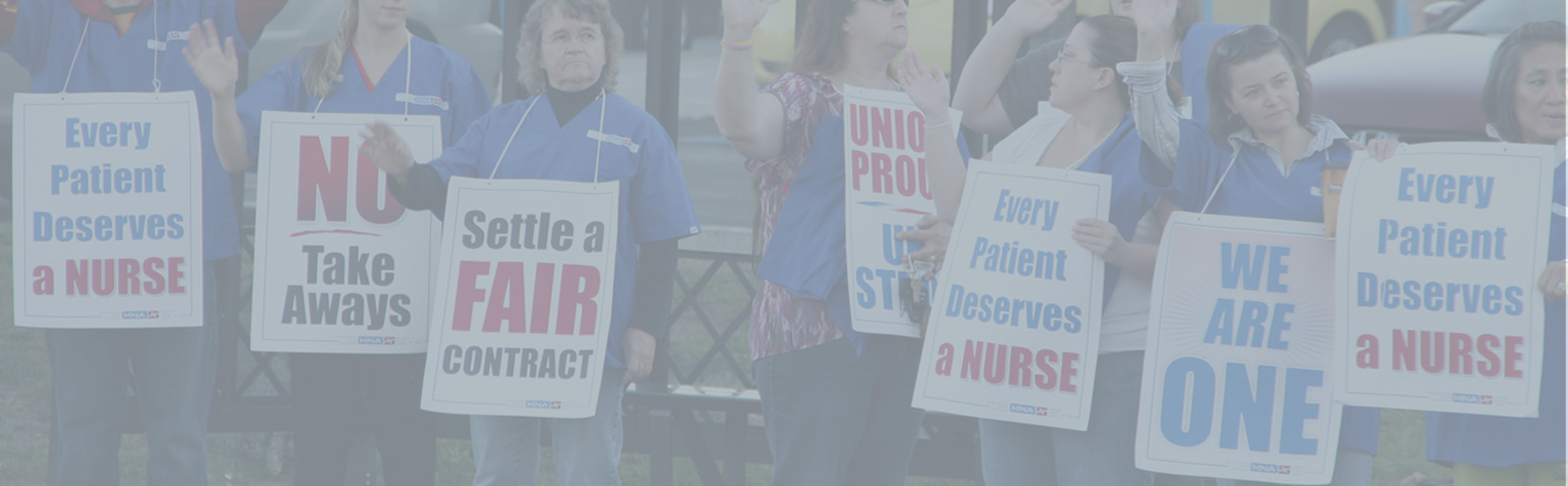
WORCESTER, Mass. — Registered nurses at UMass Memorial Medical Center’s University Campus, who are unionized with the Massachusetts Nurses Association (MNA), voted overwhelmingly on Wednesday, July 1, to authorize a 14-day strike. The vote sends a powerful message to hospital executives that nurses are prepared to do whatever it takes to win a fair contract that ensures safer patient care, improves workplace safety, and recruits and retains experienced nurses required to operate one of the state’s busiest Level One Trauma Centers.
The vote took place at the Massachusetts Nurses Association’s Region 2 office in Worcester and followed months of contract negotiations in which nurses say hospital leaders have failed to adequately address chronic staffing concerns, workplace safety, and ongoing nurse recruitment and retention challenges.
“99 percent of voting nurses voted to authorize a strike because we know our patients and our colleagues cannot wait any longer for meaningful improvements,” said Margaret McLoughlin, RN, and co-chair of the MNA bargaining unit at UMass Memorial Medical Center’s University Campus. “No nurse wants to strike. But our members have made it clear that they are prepared to do whatever it takes to secure a contract that protects our patients, improves safety, and makes this hospital a place where experienced nurses want to stay and new nurses want to build their careers.”
As the region’s only academic medical center and Level 1 Trauma Center, UMass Memorial Medical Center’s University Campus serves some of the sickest and most medically complex patients in Central Massachusetts. Nurses say persistent staffing challenges and difficulty retaining experienced caregivers have increased pressure on frontline staff and threatened the hospital’s ability to consistently deliver the highest quality patient care.
As nurses confront the challenges of providing first-rate care for Central Massachusetts, they have also had to deal with a significant increase in patient acuity, or severity of illness, following the COVID pandemic.
Data from the Massachusetts Department of Public Health shows that more than 22.4% of all ER patients in the state required hospitalization post-pandemic, a significant increase from the pre-pandemic average of 19.6%. This upward trend means a larger proportion of people entering emergency rooms are severely ill. Other data show hospital patients’ length of stay is also increasing. This trend, well documented by the hospital industry, calls for a more intense level of nursing care and increased nurse staffing.
Unfortunately, UMass management has failed to provide the staffing levels and resources needed to account for this change, adding to the stress on nursing staff, increasing dissatisfaction, and causing many nurses to leave the facility because of increasingly untenable conditions.
The Need for Safer Staffing and Skilled Nurses Are Key Issues in Dispute
The lack of needed staff is a key sticking point in negotiations, as the administration has rejected a number of proposals by nurses to ensure safer patient care, including a competitive wage offer to recruit and retain needed staff as well as a proposal to place a limit on the number of patients assigned to nurses.
The nurses are also seeking contract language to ensure charge nurses are available to assist nurses, particularly newer nurses caring for more complex, acutely ill patients. Charge nurses are key members of the nursing team, serving as quarterbacks on the floor by directing the proper assignment of patients and the flow of patients on and off each unit, while also providing an extra pair of hands when a patient or patients experience a crisis. Most MNA-represented hospitals have contract language that ensures each unit has charge nurses who start their shifts with no patient assignment so they can function appropriately. UMass is refusing to agree to this proposal, which nurses say will result in many nurses being forced to take on unsafe assignments.
“Our nurses endured the trauma of serving as the region’s primary trauma center during the COVID pandemic, and our emergency department now feels like a MASH unit nearly every day. We are all now dealing with the stress and moral injury of working in an environment that is not suited to support the level of care our patients need in these post-COVID years,” explained Ellen Smith, RN, co-chair of the MNA bargaining unit. “The message from our nurses with this vote was undeniable. UMass Memorial’s nurses are united, determined, and prepared to fight for the future of patient care at this hospital.”
The strike authorization vote does not mean nurses are immediately going on strike. Rather, it gives the bargaining committee the authority to call a 14-day strike later if negotiations continue to fail to produce a fair agreement.
The July 1 strike authorization vote marked the latest escalation in a months-long campaign by UMass University nurses to pressure hospital leadership to address their concerns. On March 26, UMass University nurses joined colleagues from other UMass Memorial hospitals in informational pickets highlighting concerns about staffing, workplace safety, and the hospital’s ongoing challenges recruiting and retaining experienced nurses.
Most recently, nurses at the University Campus delivered a petition signed by more than 80% of the bargaining unit to UMass Memorial Health President and CEO Eric Dickson, pledging to “do whatever it takes to win a fair contract that improves workplace safety, protects our patients, and recruits and retains experienced staff.”
-###-
MassNurses.org │ Facebook.com/MassNurses │ Twitter.com/MassNurses │ Instagram.com/MassNurses
_________________________________________
Founded in 1903, the Massachusetts Nurses Association is the largest union of registered nurses in the Commonwealth of Massachusetts. Its 26,000 members advance the nursing profession by fostering high standards of nursing practice, promoting the economic and general welfare of nurses in the workplace, projecting a positive and realistic view of nursing, and by lobbying the Legislature and regulatory agencies on health care issues affecting nurses and the public.